The Protein Myth: How Much Do You Actually Need?
Are you eating too much protein? Learn the scientific formulas for calculating your daily protein needs based on whether you are sedentary, a runner, or a bodybuilder.
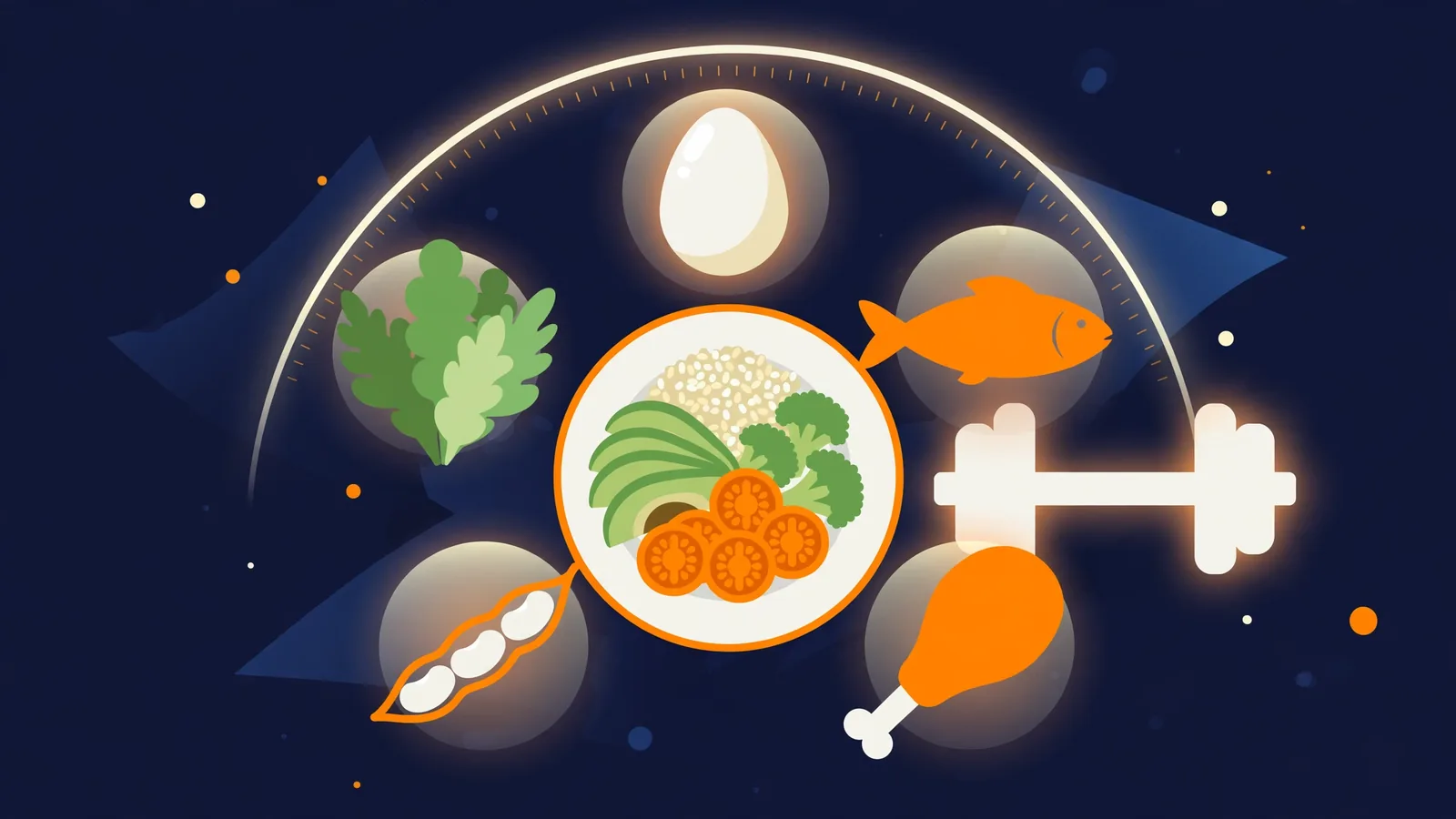
Calculate your exact daily protein requirements instantly using our Protein Calculator, or read on to understand the medical science behind muscle synthesis.
Protein is the darling of the modern fitness industry. Walk down any grocery store aisle and you will find protein-infused water, protein cookies, and protein chips.
But how much protein does the human body actually need? The fitness industry often pushes massive numbers (like 200+ grams a day), while government health organizations recommend significantly less. Understanding the math behind protein synthesis can save you money on expensive supplements.
The Baseline: The Sedentary Adult
If you do not exercise regularly, your body only needs enough protein to repair normal cellular damage, maintain bone density, and support immune function.
The US Recommended Dietary Allowance (RDA) for a sedentary adult is: 0.8 grams of protein per kilogram of body weight (or 0.36 grams per pound).
Example: A 150-pound (68 kg) sedentary person only needs roughly 54 grams of protein a day. You can easily achieve this by eating two eggs for breakfast and a chicken breast for dinner.
Enter your own numbers and see the result instantly — free, no signup.
The Athlete: Endurance vs. Strength
If you exercise, the math changes significantly because your body is actively tearing down muscle fibers that need to be rebuilt. However, the type of exercise matters.
Endurance Athletes (Runners, Cyclists)
Endurance athletes need more protein than sedentary people to repair micro-tears in muscle tissue caused by repetitive stress.
- Formula: 1.2 to 1.4 grams per kilogram of body weight.
- Example: A 150-pound runner needs roughly 82 to 95 grams of protein a day.
Strength Athletes (Weightlifters, Bodybuilders)
Strength athletes need the highest amount of protein because their primary goal is muscular hypertrophy (growing the actual size of the muscle).
- Formula: 1.6 to 2.2 grams per kilogram of body weight (roughly 0.7 to 1.0 grams per pound).
- Example: A 150-pound weightlifter needs roughly 105 to 150 grams of protein a day.
Step by Step: Work Out Your Own Number
The formulas above need your weight in kilograms. Here is the complete process using an illustrative example: a 180-pound recreational lifter.
Step 1: Convert Pounds to Kilograms
Divide your weight in pounds by 2.205.
180 ÷ 2.205 ≈ 81.6 kg
Step 2: Pick the Multiplier for Your Activity Level
Choose from the ranges in this article: 0.8 for sedentary, 1.2–1.4 for endurance training, or 1.6–2.2 for serious strength training.
Our lifter picks 1.6 g/kg as a sensible starting point.
Step 3: Multiply
81.6 kg × 1.6 = 130.6
That is roughly 131 grams of protein per day. If you would rather skip the conversion, our Macro Calculator splits a full day's calories into protein, carbs, and fat for you.
The "1 Gram Per Pound" Myth
Many fitness influencers claim you must eat "1 gram of protein per pound of body weight" to build muscle. While this is an easy mental math shortcut, it is technically an exaggeration of the scientific literature.
Studies repeatedly show that muscle protein synthesis maxes out at roughly 0.73 grams per pound (1.6g/kg). Eating more protein than this does not build extra muscle; the body simply burns the excess protein for energy or stores it as fat.
The only reason bodybuilders eat 1 gram per pound is as an "insurance policy" to guarantee they hit the maximum threshold, especially if they are in a caloric deficit.
Protein in Everyday Foods
Targets mean little until you see them as food. The values below are approximate, since brands and cooking methods vary, but they are close enough for planning.
| Food | Typical Serving | Protein (approx.) |
|---|---|---|
| Large egg | 1 egg | 6 g |
| Milk | 1 cup | 8 g |
| Greek yogurt, plain | 1 single-serve cup | 15 g |
| Cheddar cheese | 1 ounce | 7 g |
| Peanut butter | 2 tablespoons | 8 g |
| Chicken breast, cooked | 4 ounces | 31 g |
| Salmon, cooked | 4 ounces | 25 g |
| Canned tuna, drained | 1 can (5 ounces) | 28 g |
| Lentils, cooked | 1 cup | 18 g |
Notice the pattern: animal foods are protein-dense, but legumes like lentils hold their own and add fiber that meat cannot offer.
A Sample Day That Reaches About 100 Grams
Hitting a mid-range target does not require supplements. This illustrative day uses only the foods from the table above.
- Breakfast: two eggs (12 g) plus a Greek yogurt (15 g) = 27 g
- Lunch: a tuna salad made with one can of tuna = 28 g
- Snack: a glass of milk (8 g) and an ounce of cheddar (7 g) = 15 g
- Dinner: salmon (25 g) with a half-cup of lentils (9 g) = 34 g
Total: 27 + 28 + 15 + 34 = 104 grams. That comfortably covers an endurance athlete's target and comes close for many lifters.
How to Read a Label for Protein
Packaged food marketing loves the word "protein," but the label tells the true story. Two numbers matter: grams of protein per serving, and the size of that serving.
A cereal might advertise 10 grams of protein while defining a serving as a cup and a half — far more than most people pour. Always scale the label to the amount you actually eat.
A useful quick test is the protein-to-calorie ratio. A food offering 15 grams of protein for 150 calories is protein-efficient. One offering 8 grams for 350 calories is mostly an energy food wearing a protein costume.
Common Mistakes When Counting Protein
- Counting the whole package. A family-size tray lists nutrition per serving, not per container. Check how many servings the package claims to hold.
- Trusting the front of the box. "Made with protein" can legally describe a food with only a few grams. The nutrition panel is the reliable source.
- Forgetting drinks and snacks. Milk in coffee, a handful of nuts, and a cheese stick all contribute a few grams each. Small amounts decide whether you land at 80 or 100 grams.
- Using body weight in pounds with the kilogram formula. Mixing units is the most common math error of all. Convert first, then multiply.
Protein Is Also Calories
Protein is not free of energy cost. Like carbohydrate, it provides about 4 calories per gram.
A 150-gram protein target therefore contributes 150 × 4 = 600 calories. On a 2,000-calorie diet, that is 30% of the entire day's energy coming from protein alone.
This is why blindly maximizing protein can backfire. If the protein target crowds out total calories, training performance and recovery can suffer even while the protein number looks impressive.
Knowing your overall energy needs helps keep the balance sensible. Our BMI Calculator is a reasonable first stop for understanding where your body size sits.
Special Situations That Change the Math
The standard ranges assume a healthy adult. A few common situations shift the target, and they deserve extra care.
Older Adults
As people age, muscle becomes harder to maintain. Many nutrition researchers suggest older adults aim somewhat above the basic RDA, often around 1.0 to 1.2 g/kg, combined with resistance exercise.
Losing Weight
In a calorie deficit, the body is tempted to burn muscle along with fat. Eating toward the higher end of the ranges above is a common strategy to protect muscle while dieting.
Medical Conditions
Anyone with kidney disease, liver disease, or another condition affecting protein metabolism should not self-prescribe a high-protein diet. The right target is a conversation for your doctor or a registered dietitian.
This article is educational and is not medical advice. When in doubt, ask a qualified professional who knows your health history.
FAQ
Can I absorb 50 grams of protein in one meal? A long-standing myth says the human body can only absorb 20-30 grams of protein per meal, and the rest is wasted. This is false. Your digestive system will simply slow down to process a large 50g protein meal over several hours.
However, for optimal muscle growth, spreading your protein intake across 3 to 4 meals is slightly more effective than eating it all at once.
Is protein powder necessary to hit these targets? No. Powder is a convenience, not a requirement. The sample day above passes 100 grams using ordinary groceries. A shake only helps when appetite, time, or a very high target makes whole food impractical.
Does protein timing around workouts matter? Total daily intake appears to matter far more than precise timing. Getting enough across the day, spread over several meals, covers most of the benefit without watching the clock.
Can eating too little protein cause problems? Chronically falling short can contribute to muscle loss, slower recovery from training, and feeling run down, especially during dieting or illness. Persistent symptoms are worth discussing with a healthcare professional rather than self-diagnosing.
Stop overspending on whey protein powder. Calculate your exact biological requirement using the CalcUnit Protein Calculator.